Did you know that marine life and life on land are far more connected than we think? Therefore, the topic of marine conservation should never miss in our daily lives. Marine life consists of animals, plants, and other organisms that live in salty waters – seas and oceans.
The oceans occupy about 90% of the living space on the planet. However, due to its enormous coverage, humanity is destroying it without even noticing.
Support Climate Champions
We are addressing a worldwide challenge by raising awareness about the impacts of climate change and global warming. Our experts share knowledge through blog articles, visuals, and diverse media platforms to engage a wider audience. We kindly invite your support through donations to help advance this mission.
Feel free to read and share our blogs about climate. Cheers!
Life in the Seas and Oceans
Food is fundamental for life to continue, and marine life has a fascinating food chain. A food chain describes who eats whom. For instance, some marine snails, reptiles, fish, and mammals graze on algae. If you didn’t know, most underwater ecosystems depend on kelps which are large brown algae or seaweeds.
The plankton is a critical part of the waters, especially in coral reef ecosystems. What’s more, it comprises plants and animals that float passively in the water or possess limited powers to move around. These organisms are the primary sources of food for marine creatures.
Read Also: The Effects of Climate Change
Coral Reef Ecosystems
Coral reefs are home to millions of marine species. Above all, they protect the coastal and marine communities from extreme weather events such as Tsunamis. You can explore some of the most beautiful coral reefs
- Along the East African coast
- Costa Rica
- Fiji
- Hawaii
- Raja Ampat, Indonesia
- Solomon Island, and
- Papua New Guinea
Have you ever heard that coral reef ecosystems closely follow tropical rainforests when it comes to biodiversity?
Common Marine Creatures
The marine ecosystem has a lot to offer! Unfortunately, the population of organisms living there is dwindling. This effect is due to human activity disregarding marine conservation. Besides that, we do a lot of overfishing. The amount of wastewater streaming into the oceans is also something to worry about.
Do you agree we should stop contaminating our oceans?
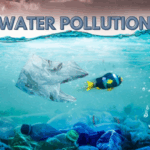
The globe is dealing with a plastic crisis that finds its route to the ocean. In fact, according to WWF, 81 out of 123 marine mammal species are known to have eaten plastic. These plastics entangle them, leading to their death.
The classification of marine creatures is so diverse, but we have sampled a few known species as follows:
| Marine Creatures | |
| Mammals | Whales, dolphins, seals, otters, porpoises, manatees… |
| Fishes | Sharks, tunas, mackerels, sardines, barramundis, anchovies… |
| Birds | Penguins, fish eagles, albatrosses, puffins, loons, gulls, auks, sternidae… |
| Reptiles | Turtles, sea snakes, marine iguana… |
| Crustaceans | Crabs, shrimp, lobsters… |
marine species by examples
The Role of Marine Conservation on Planet Earth
- Oceans regulate our climate and provide about 50% of the oxygen we breathe. This production majorly comes from oceanic plankton — drifting plants, algae, and some bacteria that can photosynthesize.
- The oceans and seas are vital food sources for humans and sea creatures. Seafood is rich in proteins.
- Seas and oceans provide jobs and livelihoods. Do you know any fishermen working along your local coastline?
- Marine transport is the backbone of international trade. Approximately 80 to 90% of traded goods are carried over the waves.
- Marine waters host many unique activities, such as boat riding, waterskiing, surfing, fishing, marine tourism, and more.
Read Also: What Causes Water Pollution?
Closing Remarks
The best gift we can reward our planet is to protect it. Assuming we destroy all coral reefs, can we withstand terrific water waves? Navigation on the seas and oceans will be a risky affair too, isn’t it?
If we continue killing marine species, we may also run out of oxygen. Remember, about half of the air we breathe comes from the ocean.
The benefits of marine life are countless. Most importantly, we should stop directing wastewater to the oceans. Wastewater contains harmful materials from factories, sewer systems, transport and fuel depots, vessels, quarries, mines, and other sources.
Finally, we should continue to block the entry of plastics into the marine environment. No sea creature deserves death from swallowing a plastic bottle!