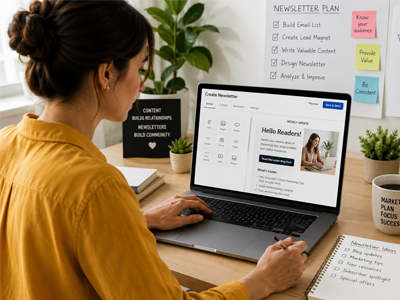

If you want to build a loyal audience for your blog, creating a newsletter is one of the smartest strategies you can use. A newsletter helps you stay connected with readers, drive repeat traffic to your website, and promote your latest content directly to subscribers.
In this guide, you’ll learn how to create a newsletter for your blog step by step, even if you are a beginner.
What Is a Blog Newsletter?
A blog newsletter is an email sent regularly to your subscribers. It usually contains:
- Latest blog posts
- News and updates
- Special offers
- Helpful tips
- Product recommendations
- Announcements
Unlike social media, email newsletters allow you to reach your audience directly without depending on changing algorithms.
Why Every Blog Needs a Newsletter
Creating a newsletter offers several benefits:
1. Increase Website Traffic
Every time you publish a new article, you can send it directly to your subscribers and bring them back to your blog.
2. Build Reader Loyalty
Email helps create a stronger relationship with your audience through regular communication.
3. Improve Sales and Conversions
If you sell products, services, or affiliate offers, newsletters can increase conversions significantly.
4. Own Your Audience
Social media accounts can be restricted or lose reach, but your email list belongs to you.
Step 1: Choose an Email Newsletter Platform
The first step is selecting an email marketing service. Popular options include:
- Mailchimp
- Brevo
- ConvertKit
- MailerLite
- GetResponse
Look for features such as:
- Free plans for beginners
- Drag-and-drop email builder
- Automation tools
- Subscriber management
- Analytics and reporting
Choose a platform that fits your blog size and budget.
Step 2: Create an Email Signup Form
To build your newsletter audience, you need a signup form on your blog.
You can place signup forms in:
- Sidebar
- Homepage
- Blog posts
- Footer section
- Popup forms
Your signup form should ask for minimal information, usually:
- Name
- Email address
Keep the form simple to improve conversion rates.
Step 3: Offer an Incentive to Subscribers
People are more likely to subscribe if they receive something valuable in return.
Popular newsletter incentives include:
- Free eBooks
- Checklists
- Discounts
- Templates
- Exclusive content
- Free courses
This is commonly called a “lead magnet.”
Step 4: Design Your Newsletter
Your newsletter should look clean, professional, and easy to read.
Important Design Tips
- Use a simple layout
- Add your blog logo
- Include clear headings
- Use short paragraphs
- Add call-to-action buttons
- Make it mobile-friendly
Avoid overcrowding your emails with too many images or links.
Step 5: Write Engaging Email Content
Your content is what keeps subscribers opening your emails.
Good Newsletter Content Ideas
- Weekly blog updates
- Industry news
- Personal insights
- Tips and tutorials
- Product recommendations
- Special announcements
Write conversationally and focus on providing value rather than constantly selling.
Step 6: Create a Consistent Sending Schedule
Consistency helps subscribers know when to expect your emails.
You can send newsletters:
- Weekly
- Bi-weekly
- Monthly
Choose a schedule you can maintain consistently.
Step 7: Use Catchy Email Subject Lines
Your subject line determines whether people open your email.
Examples of Good Subject Lines
- 5 Easy Ways to Grow Your Blog Traffic
- New Blog Post: Beginner SEO Tips
- Free Guide for Bloggers Inside
- How I Increased My Email Subscribers Fast
Keep subject lines short, clear, and interesting.
Step 8: Track Newsletter Performance
Most email platforms provide analytics such as:
- Open rates
- Click-through rates
- Unsubscribe rates
- Subscriber growth
Use this data to improve your future newsletters.
Common Newsletter Mistakes to Avoid
Sending Too Many Emails
Avoid overwhelming subscribers with constant emails.
Ignoring Mobile Users
Most people read emails on smartphones, so mobile optimization is essential.
Writing Long Emails
Keep emails concise and easy to scan.
Not Including a Call-to-Action
Always guide readers toward an action such as reading a blog post or visiting your website.
Best Practices for Growing Your Email List
To grow your newsletter faster:
- Promote it on social media
- Add signup forms across your website
- Use popups carefully
- Offer valuable free resources
- Encourage sharing and referrals
Building an email list takes time, but consistency produces long-term results.
Conclusion
Creating a newsletter for your blog is one of the most effective ways to grow your audience, increase engagement, and build long-term success online.
Start with a simple email platform, create valuable content, and consistently connect with your readers. Over time, your newsletter can become one of your blog’s most powerful marketing tools.
Whether you are running a personal blog, business website, or niche content platform, email marketing remains a reliable strategy for building a loyal community.
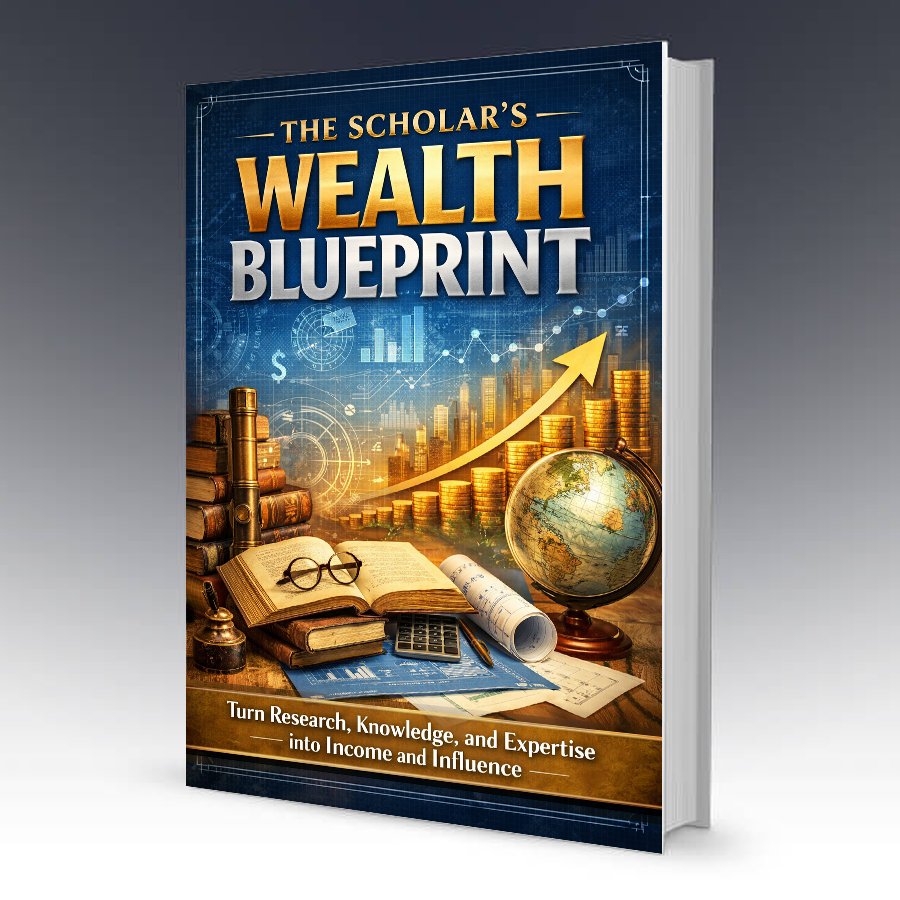
Turn Research, Knowledge, and Expertise into Income and Influence
THE SCHOLAR’S WEALTH BLUEPRINT is a practical, step-by-step guide for academics, researchers, and knowledge professionals who want to transform their intellectual capital into sustainable income and meaningful influence. This book shows you how to identify your most valuable ideas, package your expertise into high-impact offers, and position yourself as a trusted authority in your field.