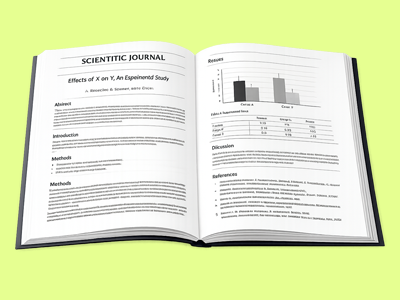

Publishing in a scientific journal is one of the most powerful ways to share your research, build credibility, and contribute to global knowledge. However, many researchers struggle with turning their findings into a well-structured, publishable manuscript. This guide will walk you through how to write for a scientific journal in a clear, professional, and impactful way.
1. Understand the Journal Requirements
Before you begin writing, carefully review the journal’s author guidelines. Each journal has specific requirements for formatting, structure, referencing style, and word count.
Focus on:
- Scope of the journal (does your research fit?)
- Formatting style (APA, MLA, Harvard, Vancouver, etc.)
- Submission guidelines and deadlines
Choosing the right journal increases your chances of acceptance significantly.
2. Structure Your Paper Properly (IMRaD Format)
Most scientific papers follow the IMRaD structure:
Introduction
- Present the research problem
- Provide background and context
- State your research objectives or hypothesis
Methods
- Explain how the study was conducted
- Include materials, procedures, and analysis methods
- Ensure reproducibility
Results
- Present findings clearly using tables, graphs, and figures
- Avoid interpretation here—just state the facts
Discussion
- Interpret your results
- Compare with existing literature
- Explain implications and limitations
3. Craft a Strong Title and Abstract for Your Scientific Journal
Title
Your title should be:
- Clear and concise
- Keyword-rich for SEO
- Reflective of your main findings
Abstract
This is often the most-read section. Include:
- Purpose of the study
- Methods used
- Key results
- Main conclusion
Keep it between 150–250 words and ensure it can stand alone.
4. Use Clear and Concise Scientific Language
Avoid unnecessary jargon and overly complex sentences. Good scientific writing is:
- Precise
- Objective
- Easy to follow
Tips:
- Use active voice where possible
- Avoid repetition
- Define technical terms when necessary
5. Cite Sources Accurately
Proper referencing:
- Strengthens your credibility
- Avoids plagiarism
- Shows engagement with existing research
Use reference management tools like:
- Zotero
- Mendeley
- EndNote
Always follow the journal’s required citation style.
6. Focus on Data Presentation
Your data should be:
- Clearly labeled
- Easy to interpret
- Visually appealing
Use:
- Tables for detailed data
- Graphs and charts for trends and comparisons
Make sure every figure has a caption and is referenced in the text.
7. Revise, Edit, and Proofread
Never submit your first draft. Review your paper multiple times:
Checklist:
- Grammar and spelling errors
- Logical flow of ideas
- Clarity and coherence
- Adherence to journal guidelines
Consider peer feedback or professional editing services.
8. Address Reviewer Comments Professionally
If your paper is reviewed:
- Respond politely and thoroughly
- Address every comment
- Provide explanations for any disagreements
Revisions are a normal part of academic publishing.
9. Optimize for SEO (Search Visibility)
Even academic papers benefit from SEO. Improve discoverability by:
- Using relevant keywords (e.g., “scientific journal writing,” “research paper structure”)
- Including keywords in the title and abstract
- Writing a clear and descriptive summary
This helps your work reach a wider audience online.
10. Stay Consistent and Keep Writing
Scientific writing improves with practice. The more you write and publish, the better you become at:
- Structuring arguments
- Presenting data
- Communicating complex ideas clearly
Conclusion
Writing for a scientific journal requires clarity, structure, and attention to detail. By understanding journal requirements, following the IMRaD format, and refining your writing through revision, you can significantly increase your chances of publication. Treat each paper as both a scientific contribution and a communication tool—your goal is not just to inform, but to be understood and cited.