
Writing a high-quality research paper is one of the most important academic skills students must master. Whether you’re in college or graduate school, your ability to research, analyze, and present information clearly can significantly impact your grades. If you’ve ever struggled to get the results you want, don’t worry—there are practical ways to improve.
Read Also: The Scholar’s Wealth Blueprint
In this SEO-optimized guide, we’ll explore 8 powerful strategies to improve your research paper grades and help you stand out academically.
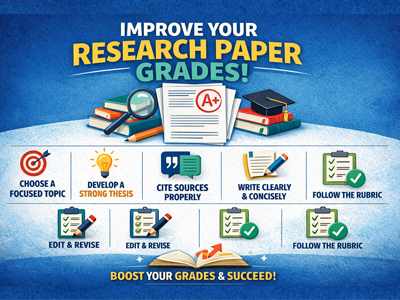
1. Choose a Strong and Focused Topic
Your research paper begins with your topic. A vague or overly broad topic can make your paper difficult to structure and weaken your argument.
Instead, choose a specific, relevant, and researchable topic. For example, rather than writing about climate change, narrow it down to the impact of climate change on coastal cities. A focused topic allows for deeper analysis and stronger arguments—something professors look for when grading.
2. Develop a Clear Thesis Statement
A thesis statement is the backbone of your research paper. It tells your reader exactly what your paper will argue or analyze.
Make sure your thesis is:
- Clear and concise
- Arguable (not just a fact)
- Supported by evidence
A strong thesis guides your writing and keeps your paper aligned, improving clarity and coherence—two key grading criteria.
3. Conduct Thorough and Credible Research
Using reliable sources is critical. Academic instructors expect you to reference credible materials such as:
- Peer-reviewed journals
- Academic books
- Trusted databases like Google Scholar, JSTOR, and PubMed
Avoid relying heavily on blogs or unverified websites. High-quality sources strengthen your arguments and demonstrate academic integrity.
4. Create a Detailed Outline
Before you start writing, organize your ideas into a structured outline. This helps you:
- Maintain logical flow
- Stay on topic
- Avoid repetition
Your outline should include:
- Introduction
- Body paragraphs (with key points)
- Conclusion
A well-organized paper is easier to read—and easier to grade highly.
5. Use Proper Citation and Referencing Styles
Incorrect citations can cost you valuable marks and even lead to plagiarism issues. Be sure to follow the required format, such as:
- APA Style
- MLA Style
- Chicago Style
Consistency is key. Double-check your references and in-text citations to ensure accuracy.
Read Also: APA Referencing and Citation Complete Guide for Students and Researchers
6. Write Clearly and Concisely
Clarity is essential in academic writing. Avoid:
- Long, complicated sentences
- Unnecessary jargon
- Repetition
Instead:
- Use simple, direct language
- Stick to one idea per paragraph
- Support each point with evidence
Clear writing improves readability and helps your instructor understand your argument easily.
7. Revise and Edit Thoroughly
Never submit your first draft. Editing is where good papers become great. Focus on:
- Grammar and spelling
- Sentence structure
- Logical flow
- Consistency
Use tools like Grammarly or Hemingway Editor to catch errors and improve readability. You can also ask a friend or tutor to review your work.
8. Follow Instructions and Rubric Carefully
Many students lose marks simply because they don’t follow instructions. Always review:
- Assignment guidelines
- Word count requirements
- Formatting rules
- Grading rubric
Your professor provides these details for a reason—they tell you exactly how to earn top marks.
Conclusion
Improving your research paper grades isn’t about working harder—it’s about working smarter. By choosing a focused topic, developing a strong thesis, using credible sources, and polishing your writing, you can significantly boost your academic performance.
Start applying these strategies today, and you’ll not only improve your grades but also build skills that will benefit you throughout your academic and professional journey.
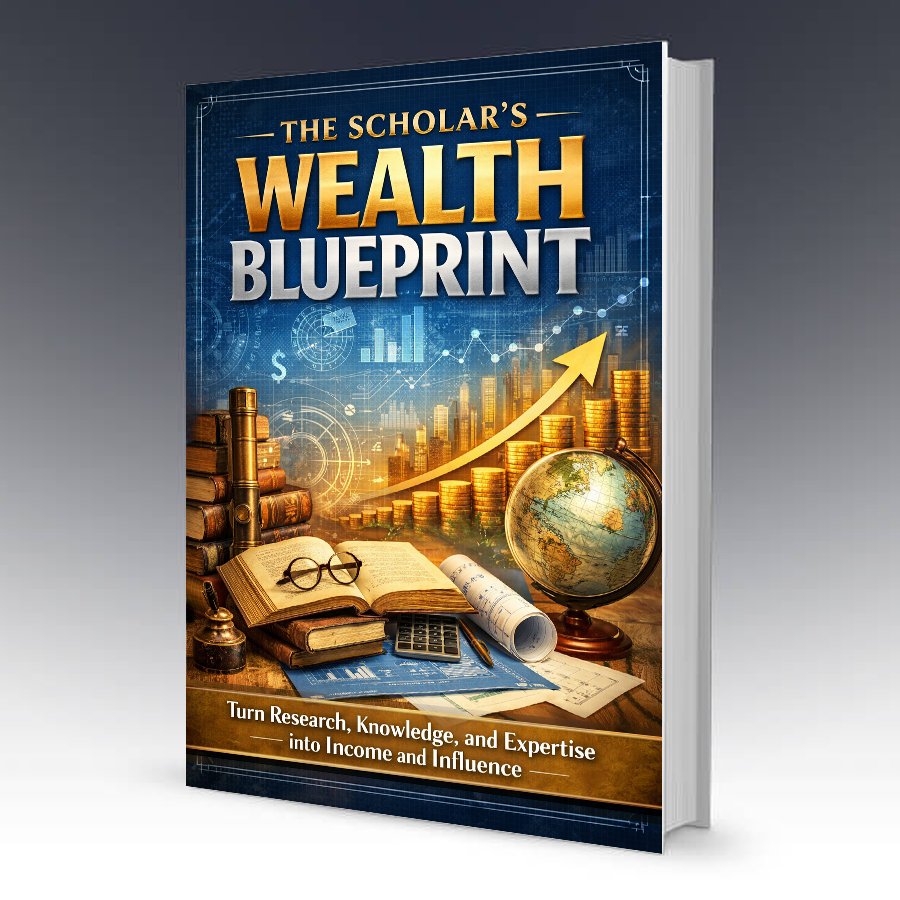
Turn Research, Knowledge, and Expertise into Income and Influence
THE SCHOLAR’S WEALTH BLUEPRINT is a practical, step-by-step guide for academics, researchers, and knowledge professionals who want to transform their intellectual capital into sustainable income and meaningful influence. This book shows you how to identify your most valuable ideas, package your expertise into high-impact offers, and position yourself as a trusted authority in your field.