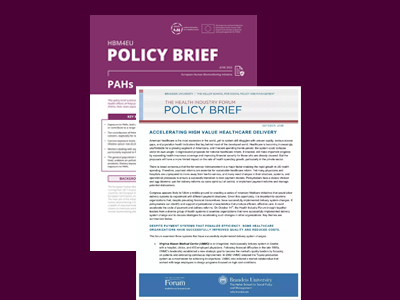

In the world of academia, NGOs, and government, data is abundant—but action is rare. Why? Because researchers often speak in jargon, while policymakers are starved for time. A well-written policy brief acts as a bridge between evidence and action. It distills complex research into a 1,000–2,000 word document that is clear, persuasive, and actionable.

Grab this Business Writing Paperback
Master the art of professional communication with this book. Learn how to craft clear, concise, and persuasive business documents—from emails to proposals—to boost your credibility and success in the workplace.
But how do you write one that doesn’t end up in the trash folder? Here is your step-by-step guide.
What is a Policy Brief? (And Why It Matters)
A policy brief is a concise document that presents research findings and recommends a specific course of action to a non-expert audience (usually government officials, legislators, or organizational leaders).
SEO Note: People searching for “how to write a policy brief” often confuse it with a white paper. A white paper explores a problem; a policy brief solves it.
The 5 Essential Steps to Writing a Powerful Policy Brief
Step 1: Identify Your Audience (The Minister vs. The Analyst)
You cannot write for “everyone.” A busy Minister of Health needs a different brief than a mid-level program officer.
- For Executives: Focus on the bottom line (cost, votes, public opinion).
- For Technicians: Focus on implementation feasibility and evidence levels.
Step 2: Craft an Executive Summary (The “Doorstep Test”)
Policymakers decide within 60 seconds whether to read on. Your summary must pass the “elevator pitch” test.
- The formula: State the problem (1 sentence) + The gap in current policy (1 sentence) + Your specific recommendation (1 sentence).
Step 3: Define the Problem (Without the Academic Jargon)
Never assume the reader knows the context. However, do not write a literature review.
- Bad: “Utilizing a mixed-methods longitudinal study, we assessed epistemological biases…”
- Good: “Last year, 40% of local clinics ran out of vaccines. This happens because supply forecasting is done manually.”
Step 4: Present the Evidence (Visuals Over Text)
Policymakers are visual readers. Use data visualization (charts, not spreadsheets).
- Use side-by-side tables comparing your recommendation vs. the status quo.
- Include a “cost-benefit” callout box. If your solution saves money, highlight it in green.
Step 5: The Recommendation (Be Bold, Be Specific)
Vague recommendations get ignored.
- Vague: “We should improve education.”
- Specific: “Fund a $2M pilot program for digital literacy in 10 rural districts by Q3 2024.”
The Standard Policy Brief Template (Copy This)
To rank for “policy brief template,” here is the proven structure:
1. Title: (Action-oriented, e.g., “Three Strategies to Reduce Urban Congestion by 20%”)
2. Executive Summary: (150 words max)
3. Context & Scope: (Why this issue matters right now)
4. Critique of Current Policy: (What is broken? Use bullet points)
5. Policy Recommendations: (The “must-do” list)
6. Conclusion: (The call to action)
7. References: (3-5 high-quality sources only)
3 Critical Mistakes to Avoid
1. The “Kitchen Sink” Approach
Do not include every data point you found. If a fact doesn’t directly support your recommendation, delete it.
2. Forgetting the “Political Feasibility”
Policymakers care about what is doable. Acknowledge the obstacles. A sentence like “This requires initial funding, but pays for itself in 18 months” is gold.
3. Ignoring the Call to Action
What do you want them to do tomorrow? Sign a bill? Hold a hearing? Download an appendix? Tell them explicitly.
SEO Best Practices for Your Policy Brief (If Publishing Online)
If you are posting this brief on your organization’s website, optimize it:
- Use Header Tags (H2, H3): Help Google understand your structure (as seen above).
- Internal Linking: Link to your underlying research report or raw data.
- Create a “Printable PDF”: Many policymakers still print briefs. Offer a one-click download.
- Alt Text for Charts: Describe the chart’s conclusion (e.g., *“Line graph showing 50% drop in homelessness after housing-first policy”*).
Final Checklist: Is Your Brief Ready?
Before you hit send or publish, ask yourself:
- Can the reader find the main recommendation in under 10 seconds?
- Is the font readable? (Minimum 11pt, sans-serif for online, serif for print)
- Did I define all acronyms? (Do not assume they know what “CBO” or “NGO” means)
- Is there a clear name and email for follow-up questions?
Frequently Asked Questions (FAQ) About Developing a Policy Brief
Q: How long should a policy brief be?
A: Ideally 1,000–2,000 words (2-4 pages). Anything longer requires an executive summary.
Q: Can I write a policy brief without original research?
A: Yes. A “rapid evidence review” of existing studies is perfectly acceptable for advocacy.
Q: What is the difference between a policy brief and a memo?
A: A memo is internal (inside an organization). A policy brief is external (sent to legislators or the public).
Conclusion
Writing a policy brief is not about showing off how much you know. It is about making change happen. By focusing on clarity, brevity, and actionable recommendations, your research can move from the library shelf to the legislative floor.
Ready to write? Contact our experts or share this guide with your research team.
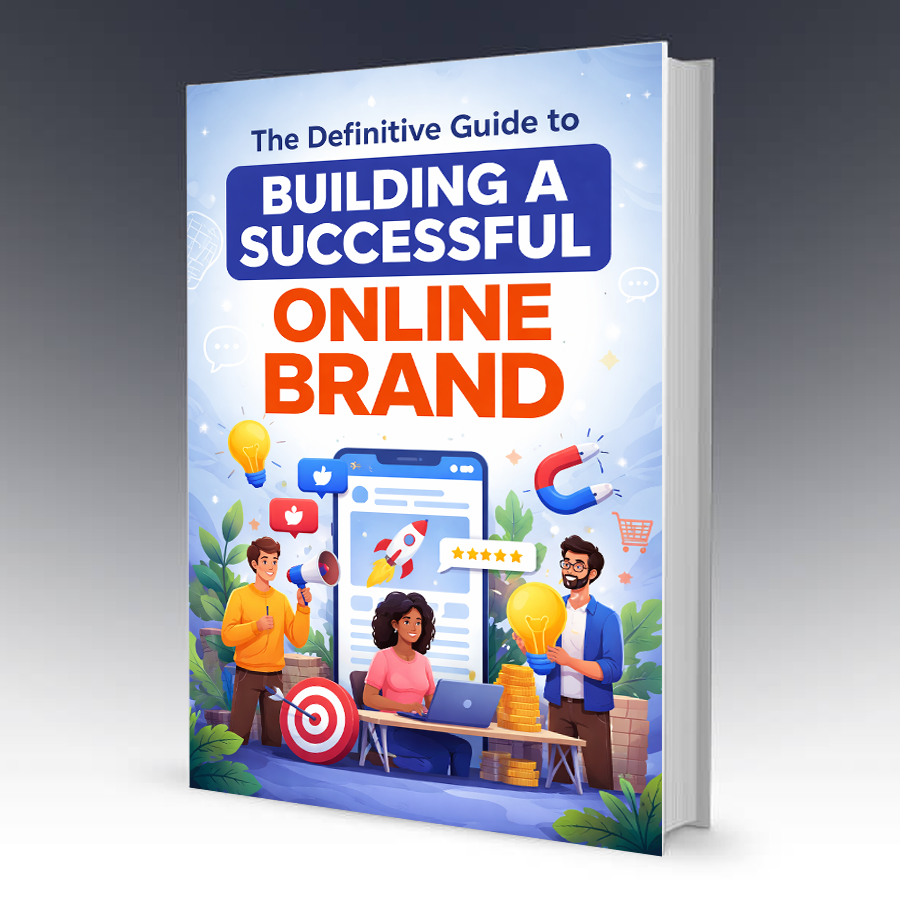
Grab an Online Brand Building Guide eBook
The Definitive Guide to Building a Successful Online Brand is your step-by-step roadmap to creating a powerful digital identity that attracts attention, builds trust, and converts followers into loyal customers.